
Moving to Switzerland — what YOU need to know
Tips on customs, household goods import and VAT when moving from the EU
Moving to Switzerland from the EU takes more preparation than a domestic move — because Switzerland is not an EU member, customs, VAT and special rules for immigration goods come into play. The three most important things: declare your household goods correctly at customs, only bring items you've owned for at least six months (otherwise VAT applies), and plan around the limited border opening hours for immigration goods. This guide walks you through every step.
Plan early and reduce your moving goods
Even a move within your own country involves a lot of organisation — moving to Switzerland from abroad significantly more. Because Switzerland is not part of the EU, customs formalities, VAT issues and special regulations for immigration goods are added. The most important advice: start planning early.
Go through your belongings in good time and decide what really needs to come and what can stay behind. Especially with smaller apartments it pays to reduce your moving goods early — disposing of old furniture in Switzerland can be surprisingly expensive. What you no longer need, sell or dispose of before the move.
When it comes to packing, a clean system helps. Pack fragile and valuable items with particular care — read how in our guide Packing fragile items for your move. The more structured your packing, the easier the customs declaration later.


VAT and customs: declaring household goods correctly
When moving across borders, VAT is where many people pay extra. The rule: only bring items — vehicles included — that you've owned for at least six months. For anything newer, VAT may apply on entry. Keep receipts for recent purchases handy.
For the customs declaration, it's best to create a detailed list of your moving goods with value and weight and number each box with a unique number. This way you can prove at any time at the border what you're carrying. You declare your belongings officially on the form "Übersiedlungsgut 18.44". Further binding information and answers can be found on the official website ch.ch.
Your customs checklist
- Create a detailed inventory list with value and weight
- Number each box with a unique number
- Fill out the official form "Übersiedlungsgut 18.44"
- Only bring items (including vehicles) owned for at least 6 months
- Keep receipts for recent purchases handy
- Check current requirements on ch.ch in advance
Move yourself or hire a company?
One of the biggest decisions: do the move yourself or hire a company? Both have their merits — it depends on your budget, your time and your nerves.
A professional moving company handles transport and border formalities for you. That's convenient and saves stress at the border, but costs accordingly. Moving yourself is significantly cheaper, but requires organisational talent, time and patience — especially for the formalities at customs.
Quick comparison
- Moving company: convenient, transport and border formalities included, well plannable — but more expensive
- DIY move: cheap and full control — but more effort, organisation and time at the border


Border opening hours and timing
Not every border crossing is open at all times for immigration goods. The clearance of household goods is only possible at certain times and at certain border crossings. Find out early about the opening hours of the border crossing you want to use — best directly from the Swiss Federal Customs Administration.
Plan your moving day so you don't hit peak times. Weekends and public holidays are particularly tricky — many border posts have limited operation or are completely closed. Early morning on a weekday is usually the most stress-free option.
Also keep in mind that the clearance itself takes time. Allow at least one hour — more for large moves or if questions arise. Build in a time buffer on moving day so you don't come under pressure.
Safe temporary storage at BOXLY
When moving to Switzerland, things rarely fit together perfectly: the new apartment isn't ready yet, the moving transport arrives in stages or you need space to unpack in peace. For exactly this transitional period, a storage unit is the ideal solution.
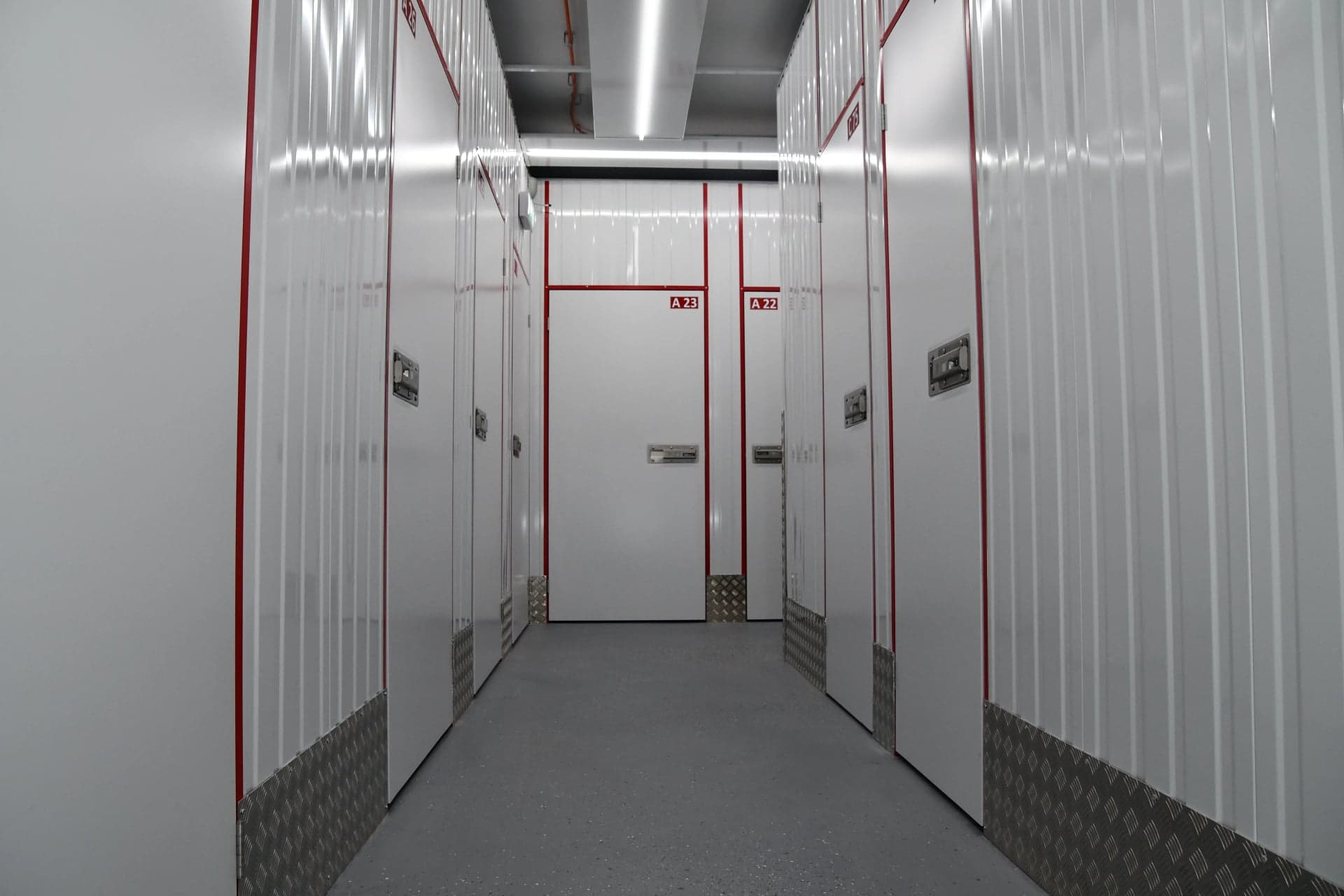
At BOXLY you store your moving goods safely, clean and climate-controlled — under 24/7 video surveillance and protected. You rent flexibly from one week, without long contract commitments. Our three locations in Basel, Zurich/Dübendorf and Lucerne/Kriens are conveniently located and accessible even with larger vans.
Quick checklist for moving to Switzerland
- Plan early and consistently reduce moving goods
- Only bring items owned for at least 6 months
- Create inventory list with value and weight, number boxes
- Fill out the official form "Übersiedlungsgut 18.44"
- Keep receipts for recent purchases handy
- Plan around border opening hours and clearance duration
- Schedule moving day on a weekday, early morning
- Book temporary storage at BOXLY if needed
Frequently asked questions
Only on items you've owned for less than six months. Anything you've used for longer than six months counts as household goods and is VAT-exempt — including vehicles.
It is the official form of the Swiss Federal Customs Administration on which you declare your entire moving goods. You fill it out before crossing the border and present it at customs. It contains details on the type, value and weight of your items.
No. The clearance of household goods is only possible at certain border crossings and at certain times. Check the opening hours with the Swiss Federal Customs Administration in advance.
Allow at least one hour. For large moves or if questions arise it may take longer. Build in a time buffer and avoid peak times, weekends and public holidays.
Yes. At BOXLY you can rent a secure, climate-controlled storage unit flexibly from one week — ideal when the new apartment isn't ready yet or the move happens in stages.